Why the BUILD America 250 Act Matters for Our Nation’s Roads
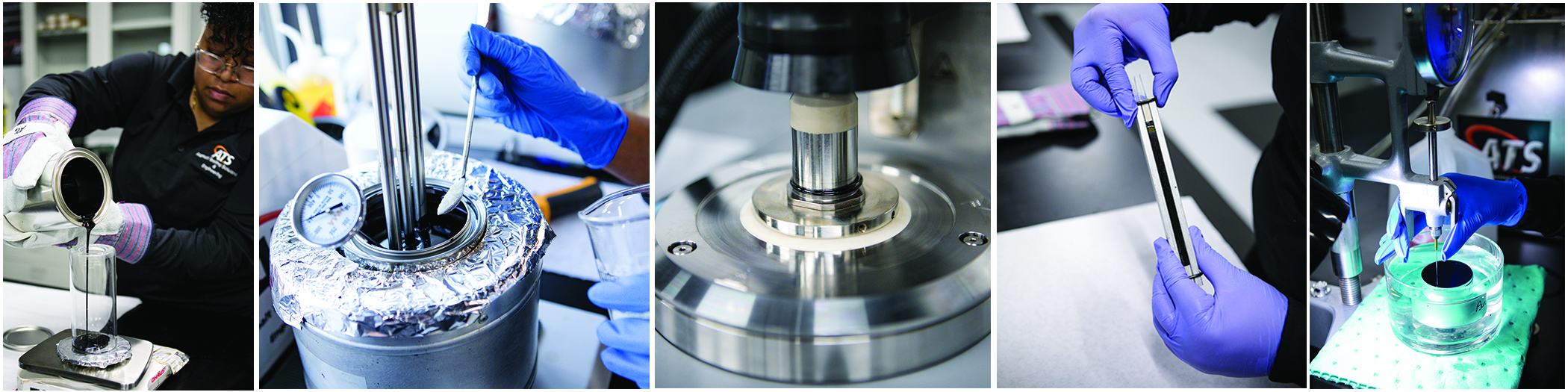
At ATS, we spend our days focused on making sure the pavement under cars, trucks, and school buses performs safely and lasts as long as possible. We test materials, evaluate mix designs, and help contractors and agencies deliver quality asphalt that is safe, smooth, and durable.

What we cannot control is the funding that keeps those projects moving. That is why the BUILD America 250 Act is so important. The BUILD America 250 Act is the five-year federal surface transportation reauthorization that will replace the current law when it expires on September 30, 2026. In plain terms, it sets the rules and the money for how the federal government invests in highways, bridges, and related safety programs through 2031.
Key pieces that directly affect the asphalt industry and everyday drivers include:
- Long-term, predictable formula funding for state departments of transportation. Roughly 90 percent of highway dollars flow through formula programs rather than competitive grants. This gives state DOTs and local agencies the ability to plan multi-year resurfacing and reconstruction schedules instead of living project-to-project.
- Stronger investment in bridges, including formula funding that also supports the approach pavements and connecting roads that are often asphalt.
- New user fees on electric and plug-in hybrid vehicles that help keep the Highway Trust Fund solvent. These vehicles use the roads but currently contribute little through traditional fuel taxes. Fair contribution from all users is essential if we want sustained investment.
- Improved work-zone safety measures that protect the crews who build and maintain our roads as well as our quality control technicians working alongside the paving crews.
- Streamlined project delivery and permitting so good projects move from design to construction more efficiently.
Our nation’s road network is the backbone of the economy. When federal funding becomes uncertain, projects stall. Crews are laid off or delayed.Pavement conditions deteriorate. Drivers pay the price in higher vehicle maintenance costs, longer travel times, and greater safety risks.
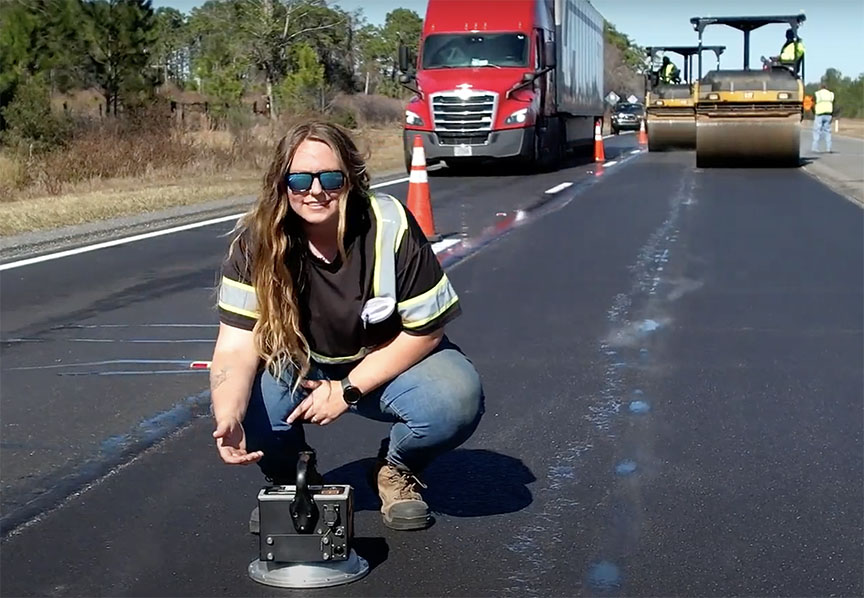
From our vantage point in materials testing and engineering, we also see the technical side. Consistent funding allows agencies to invest in higher-performing mixes, better recycling practices, and quality assurance programs that extend pavement life. Short-term extensions and stop-start budgets make that kind of continuous improvement much harder.
Every year of uncertainty adds risk. Construction costs rise. Skilled workers look for more stable industries. Deferred maintenance compounds. State resources can be paired with federal dollars to accelerate major corridors, but even the best state program needs a reliable federal partner.
Our industry is ready to keep delivering high-quality asphalt pavements. We simply need the funding framework that makes steady, efficient work possible.
Previous post
Next post